
Sparsho Chakraborty is a second-year Health Sciences student at the University of Ottawa with academic interests spanning health systems, historical governance, and societal organization. As a volunteer with the Forum, he contributed to administrative work and provided support for ongoing organizational initiatives. He is particularly interested in how historical frameworks of power and governance continue to inform modern approaches to public institutions. Sparsho looks forward to further integrating interdisciplinary perspectives into his studies of health, policy, and society.
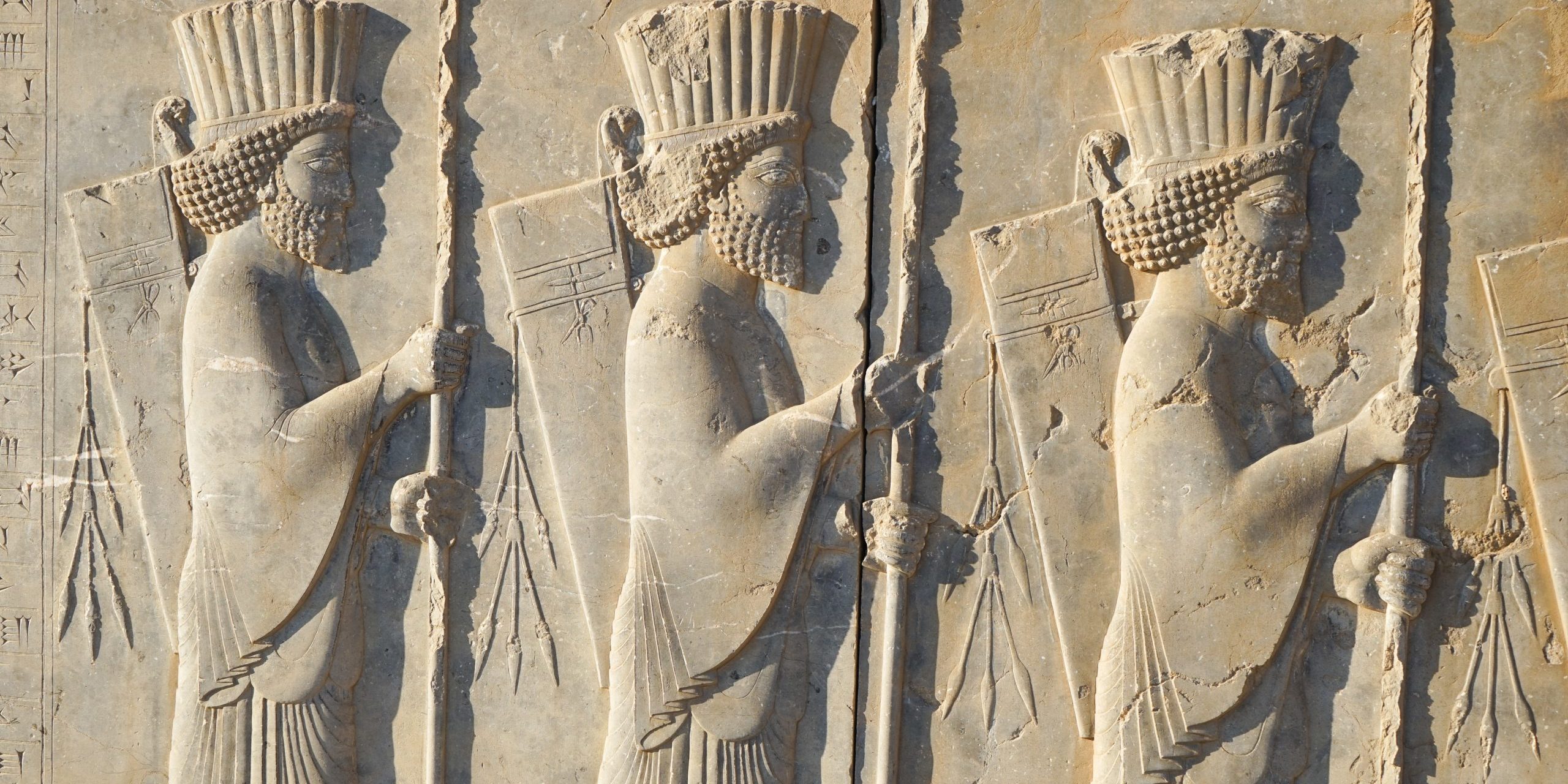
The Achaemenid Persian Empire ruled over an unprecedentedly vast and diverse territory. Its governance system combined centralized authority with regional autonomy through the satrapy system, allowing effective administration across its vast lands. This model, while rooted in monarchy, developed prototypical principles of decentralized regional administration which share similarities with modern federations, such as Canada. However, key differences exist in authority, representation, and legal frameworks. By examining the Persian satrapy system alongside modern federations, we can explore how historical governance models influenced contemporary multilevel governance, administrative structures and the evolution of political organization.
The Rise of History’s First True Superpower
The Persian Empire, centered in modern-day Iran, was history’s first true superpower and a global center of culture, religion, science, art, and technology. Its origins can be traced to the semi-nomadic tribes of the Iranian plateau, who gradually coalesced into small kingdoms. In 550 B.C., Cyrus the Great, a visionary leader from one of these tribes, overthrew the Median Empire and embarked on a campaign of conquest. His leadership established the Achaemenid Empire, a vast and unprecedented dominion that would grow to encompass lands stretching from the Balkan Peninsula in Europe to the Indus Valley in South Asia. This made it the largest empire the world had ever seen to date, uniting over 47 distinct and diverse nations, cultures, and languages under a single, sophisticated administration.
Despite its remarkable achievements, the empire faced internal and external challenges. Over time, corruption, court intrigues, and power struggles weakened central authority. Assassinations of kings and internal revolts further destabilized the empire. When Alexander the Great launched his invasion in 334 B.C., the once-mighty Persian Empire was already struggling with internal discord. After a series of decisive battles, Alexander’s forces finally dealt a fatal blow to the Persian military when in 330 B.C., he captured Persepolis, the ceremonial capital, and burned parts of it in an act symbolizing the end of Persian supremacy. But despite its dissolution, the Achaemenid Empire’s governance structure left a lasting legacy of influence on state architectures which echoes in modern decentralized and federal models to this day.
Designing Empire: The Governance Frameworks of the Achaemenid Empire
The Achaemenid Empire’s governance arrangement combined strongly centralized political authority with decentralized administration, allowing it to effectively rule a vast and diverse territory for over 200 years. The satrapy system, at the core of this governance model, allowed satraps to oversee large provinces while maintaining allegiance to the Great King, whose authority was absolute and divinely sanctioned. Persian satraps held a wide range of responsibilities, including maintaining law and order, overseeing general administration, and ensuring the collection of taxes and tributes. Satraps were appointed by the Great King and were typically recruited from the Persian nobility, although exceptions were made for exceptional non-Persians and, later, women. Their key responsibilities included the maintenance of law and order, the oversight of general administration, and tax and tribute collection, which required careful land surveys and taxation of individuals, properties, imports, exports, and excise goods. They were also responsible for military mobilization and supply, raising and equipping troops when necessary, as well as infrastructure maintenance, ensuring that roads, postal and communication routes, and waterways remained functional. Additionally, satraps managed public works projects and engaged in intergovernmental affairs, such as dealing with political and military matters with neighboring satrapies. While they had considerable discretionary power in policy and administrative affairs within their jurisdictions, major decisions had to be deferred to Susa, the empire’s capital and seat of the central government.
To prevent rebellions, the empire implemented checks and balances, including the separation of civil and military administration. Satraps controlled civil governance but did not command the military, which remained under the authority of an independent general appointed by the central government. Further oversight was provided by royal officials known as the “Eyes and Ears of the King,” who monitored legal matters, corruption, and administrative efficiency, reporting directly to the Great King.
The presence of a “King’s Secretary” in each satrapal court ensured compliance with royal directives and maintained a direct line of communication between the satrap and the central government. This role can also be understood as an early example of an institutionalized intergovernmental relations mechanism, albeit one deliberately structured to ensure that satrapies followed central orders and did not step out of line. Additionally, royal judges and traveling inspectors conducted periodic examinations of satrapies to identify mismanagement and prevent corruption.
A key component of Persian rule was its policy of tolerance and respect for subject peoples. Unlike other ancient empires that sought to impose uniformity, the Achaemenids practiced a policy of cultural and religious accommodation, allowing conquered populations to retain their traditions and customs as long as they did not contest imperial authority. This approach, exemplified by Cyrus the Great’s decision to free the Jews from Babylonian captivity and support the rebuilding of their temple in Jerusalem, fostered loyalty and stability. The Achaemenids also exercised flexibility in leadership by appointing both Persian administrators and local leaders to governance roles, ensuring continuity and regional cooperation. This policy of inclusion minimized resistance and facilitated the integration of diverse ethnic groups into the empire’s administration. In addition to this cultural policy, the empire relied on effective communication and intelligence networks to maintain control. The Achaemenid road system enabled swift communication and military mobilization, while intelligence gathered by royal inspectors allowed the central government to detect potential uprisings before they could escalate. The military was stationed strategically throughout the empire, reinforcing central authority and deterring rebellion.
Economic stability and integration was a pillar of Achaemenid governance, with standardized taxation, coinage, trade regulations, and land surveys ensuring financial organization and growth. Infrastructure investments, such as the construction of roads, waterways, and trade hubs, facilitated commerce and strengthened economic integration across satrapies. These economic policies, combined with the empire’s military presence, reinforced central authority while promoting prosperity. The Persian bureaucracy was highly centralized and professionalized, supporting efficient governance. While elite administrative positions were predominantly held by Persians, bureaucratic roles were open to individuals from across the empire, allowing for diverse participation. Each satrapy was subdivided into smaller administrative districts managed by sub-satraps and local leaders, ensuring governance at multiple levels.
Despite these measures, rebellions still occurred, often triggered by excessive taxation or perceived injustices. The empire’s approach to succession was sometimes marked by power struggles, including instances of fratricide and political intrigue. However, the Achaemenid system proved resilient, maintaining stability through a balance of centralized control and regional autonomy. The synthesis of various civilizations under Persian rule created a unique governance model that influenced later empires and modern administrative structures. The Achaemenid Empire’s ability to integrate diverse populations, implement institutional checks and balances, develop an efficient bureaucracy, and promote economic development solidified its legacy as one of history’s most successful and enduring imperial systems, one that remained stable for over two centuries.
Echoes from Persia: Connections to Modern-Day Federations
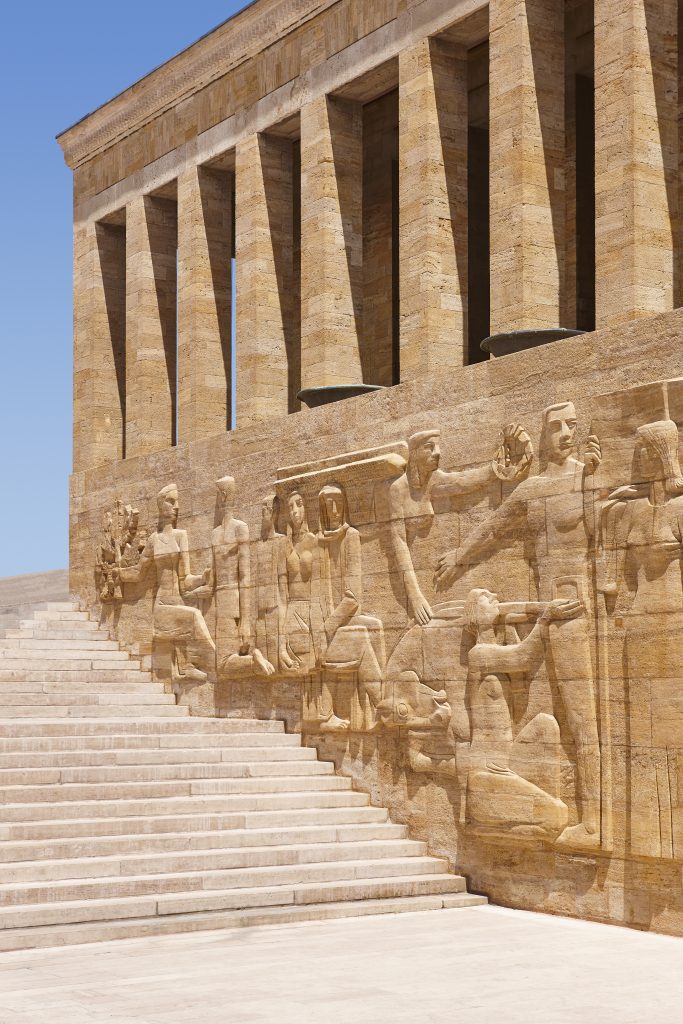
The Achaemenid Empire offers valuable insights for modern federations and multilevel governance systems. Its blend of centralization and decentralization was crucial for balancing national unity with regional autonomy. The empire’s bureaucracy ensured firm control over the vast territories while allowing flexibility through local administration, such as being able to practice local customs and religions, which is relevant for modern federations that aim to maintain cohesion while respecting regional differences. It was a way to accommodate cultural diversity throughout the vast empire, in order to have control of the different regions. The empire’s policy of tolerance towards diverse ethnic, cultural, and religious groups parallels the inclusivity found in many contemporary federations. This respect for local traditions and autonomy helped ensure stability, a lesson for managing diversity in modern states. Additionally, the Achaemenid satrapy system, which balanced the relationship between the central government and provincial leaders, reflects an understanding of the need for effective intergovernmental relations in multilevel systems, with clear lines of authority and accountability.
The Achaemenid bureaucracy’s efficiency in managing large-scale projects and infrastructure underlines the importance of professionalism and organizational structures in public administration. The empire also established checks and balances through mechanisms like royal inspectors and the “Eyes and Ears of the King,” promoting accountability—a concept reflected in modern federations that adopt mechanisms to maintain transparency in governance. This system was additionally a means of control to keep satraps accountable to the authority of the central government. Achaemenid taxation and legal systems showcase the power of well-executed reforms in enhancing societal management. Modern governments can draw from this example by prioritizing evidence-based policymaking and continuous improvement.
However, there were significant differences between the Achaemenid system and modern federations like Canada. The Persian Empire was an absolute monarchy underpinned by military control and a monopoly on violence, whereas the Canadian federation, for example operates as a constitutional democracy with legal protections and democratic processes. Crucially, the satraps in the Achaemenid system did not exercise genuine autonomy in the way that provinces or states do in federal systems. Their authority was conditional on central approval, and they lacked the right to make binding decisions independent of the king’s will. This stands in sharp contrast to federal countries, where subnational units have constitutionally guaranteed political and administrative autonomy in their own jurisdictions, and where the central government cannot unilaterally override those decisions. The separation of powers in Canada also contrasts with the Achaemenid model, where military and civil authority, though formally divided, remained ultimately dependent on the monarch’s absolute control.
At the same time, it is important to emphasize the multilevel governance legacy of the Achaemenid Empire. While satraps were not autonomous in the federal sense, the empire’s governance structures nonetheless recognized the practical need for regional tailoring and adaptation to local contexts across a vast, culturally diverse territory. The satrapy system institutionalized layered authority, combined with standardized taxation, legal practices, and infrastructure development. This allowed for integration without erasing local diversity. In this sense, the Achaemenid model foreshadowed certain principles of modern multilevel governance by balancing central oversight with regionally adapted administration to maintain stability and cohesion. Its standardized legal and taxation systems and investments in communication and infrastructure provide a foundational framework for thinking about large-scale governance. Thus, while it lacked the genuine autonomy characteristic of federal systems, the Achaemenid Empire’s model highlights enduring principles of multilevel governance, particularly the recognition that effective rule over vast, diverse territories requires differentiated regional administration alongside central authority.
Conclusion
The Achaemenid Persian Empire, as history’s first true superpower, pioneered a sophisticated governance model that balanced central authority with decentralized administration. The satrapy system allowed efficient management of vast territories while maintaining loyalty to the Great King through central institutional oversight. The empire’s commitment to cultural and religious tolerance fostered stability and unity among its diverse populations (Kuhrt, 1983), while its standardized taxation, infrastructure investments, and professional bureaucracy promoted economic integration and long-term governance efficiency. Despite internal struggles and eventual conquest by Alexander the Great, the Achaemenid system left a lasting legacy.
When compared to modern federal systems like Canada, the Persian model shares similarities in decentralization, intergovernmental relations, and accommodation of diversity. However, fundamental differences exist in the source of authority, democratic participation, legal frameworks, and mechanisms of accountability. Unlike the absolute monarchy of the Persian Empire, Canada operates under a constitutional democracy with clear separations of power and legal protections. Nevertheless, the Achaemenid approach to administration, economic stability, and governance has influenced later civilizations and modern political structures. Its legacy endures as a foundational example of multilevel governance that pioneered a state architecture that continues to resonate in today’s world.
References
Briant, P. (2002). From Cyrus to Alexander: A History of the Persian Empire. Winona Lake, IN: Eisenbrauns. https://www.academia.edu/1440163/From_Cyrus_to_Alexander_A_History_of_the_Persian_empire
Brosius, M. (2006). The Persians: An Introduction. London: Routledge. https://archive.org/details/persiansintroduc0000bros
Brosius, M. (2010). Women in Ancient Persia (559–331 BC). Oxford: Oxford University Press. https://global.oup.com/academic/product/women-in-ancient-persia-9780199553278
Dandamaev, M. A., & Lukonin, V. G. (1989). The Culture and Social Institutions of Ancient Iran. Cambridge: Cambridge University Press. https://archive.org/details/culturesocialins0000dand
Eisenstadt, S. N. (1963). The Political Systems of Empires. New York: Free Press. https://archive.org/details/politicalsystems0000eise_i3k6
Hooghe, L., & Marks, G. (2003). Unraveling the central state, but how? Types of multilevel governance. American Political Science Review, 97(2), 233–243. https://garymarks.web.unc.edu/wp-content/uploads/sites/13018/2016/09/hooghe.marks_.unravelingcentralstate.apsr_.2003.pdf
Kuhrt, A. (1983). The Cyrus Cylinder and Achaemenid imperial policy. Journal for the Study of the Old Testament, 25, 83–97. https://journals.sagepub.com/doi/abs/10.1177/030908928300802507
Kuhrt, A. (2007). The Persian Empire: A Corpus of Sources from the Achaemenid Period. London: Routledge. https://www.taylorfrancis.com/books/mono/10.4324/9780203607749/persian-empire-am%C3%A9lie-kuhrt
Lewis, D. M. (1994). Alexander, propaganda and history. Classical Quarterly, 44(2), 351–361. https://www.cambridge.org/core/books/abs/cambridge-ancient-history/bibliography/EE25ACE8D7D111DED6D379866ADB3493
Mann, M. (1986). The Sources of Social Power, Volume I: A History of Power from the Beginning to AD 1760. Cambridge: Cambridge University Press. https://www.cambridge.org/core/books/sources-of-social-power/71430B753552703F801E9C6087E524D6
Root, M. C. (1979). The King and Kingship in Achaemenid Art. Leiden: Brill. https://www.academia.edu/21201942/The_King_and_Kingship_in_Achaemenid_Art_Essays_on_the_Creation_of_an_Iconography_of_Empire
Tuplin, C. (1987). The administration of the Achaemenid Empire. Journal of the Royal Asiatic Society, 119(1), 1–27. https://www.academia.edu/4251207/The_administration_of_the_Achaemenid_Empire
Waters, M. (2014). Ancient Persia: A Concise History of the Achaemenid Empire, 550–330 BCE. Cambridge: Cambridge University Press. https://assets.cambridge.org/97811070/09608/frontmatter/9781107009608_frontmatter.pdf
Watts, R. L. (2008). Comparing Federal Systems (3rd ed.). Montreal & Kingston: McGill-Queen’s University Press. https://www.queensu.ca/iigr/sites/iirwww/files/uploaded_files/PDF%20Publications/ComparingFedSys3rd%2008.pdf