اتجاهات الحوكمة في قضية بناء الدولة السورية الجديدة وجهة نظر الكاتب السوري عماد نداف

Author: Imad Naddaf – لقد أمضيتُ زمنا طويلا من حياتي درستُ فيه تاريخ سورية جيداً وخضتُ نقاشات واسعة حول ماضيها وحاضرها ومستقبلها الوطني، وعانيت من آرائي السياسية التي كنت أحملها وقضيت في سجني تدمر وصيدنايا قرابة عشر سنوات إبان الحكم الديكتاتوري السابق ..
Trends in Governance in Building the New Syrian State – A Perspective by Syrian Writer Imad Naddaf

Author: Imad Naddaf – I have spent a long period of my life studying Syria’s history in depth and engaging in extensive debates about its national past, present and future, and I have paid a heavy price for the political views I hold, spending nearly ten years in Tadmur and Saydnaya prisons under the former dictatorial rule. On that basis, I consider it a duty to set out my own view, while passing over the well-known historical facts related to the colonial targeting of the region and earlier partition plans, most notably the Sykes-Picot Agreement.​

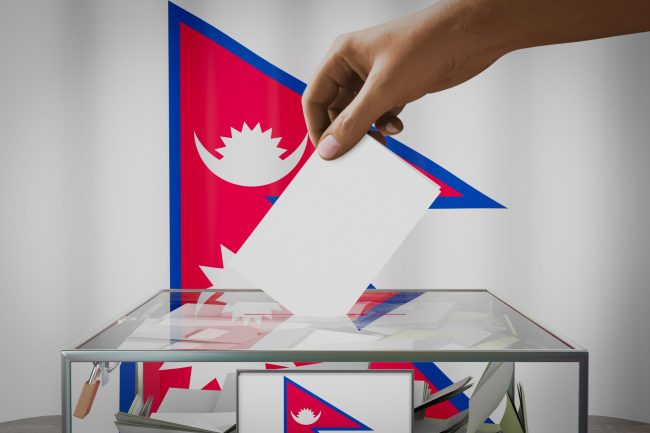
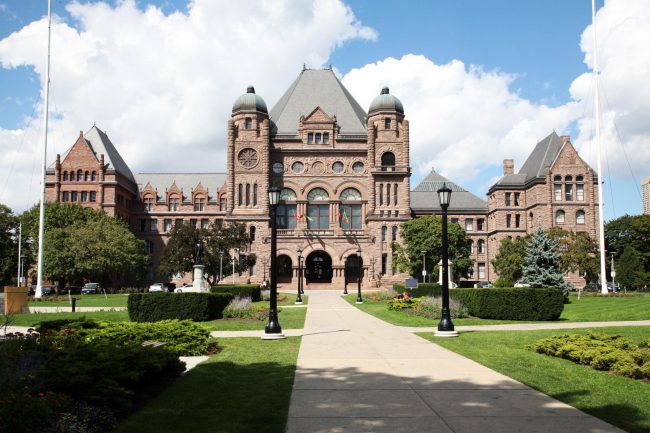
Ontarians Need to See the Power of Their Own Government

Author: Jennifer Wallner – Another Ontario election has come and gone. And less than half the population noticed. In 2022, a sparse 4,701,959 people voted. With only 44.06% of eligible voters turning out, that election set the record for the lowest voter turnout ever in the province. This election, one where the province and Canada face real threats with devastating consequences from our closest ally, fared little better. Essentially, Ontarians issued a collective ‘meh’.

Locally-Led Grassroots Peacebuilding Movements and Community Involvement in African Federations

Author: Natalia Valero – Recent and past conflicts in Africa reflect the diverse and complex political, economic, cultural, and ethnic background of the continent. In countries such as South Africa, Ethiopia, and Nigeria, a federal system with multilevel governance has been presented as a model able to accommodate diversity. In a multilevel system, cooperation, partnership, and power distribution operate to varying degrees in order to deal with divisions along territorial, social, political, and cultural lines. In this way, federal governance systems may act as a peacebuilding tool.

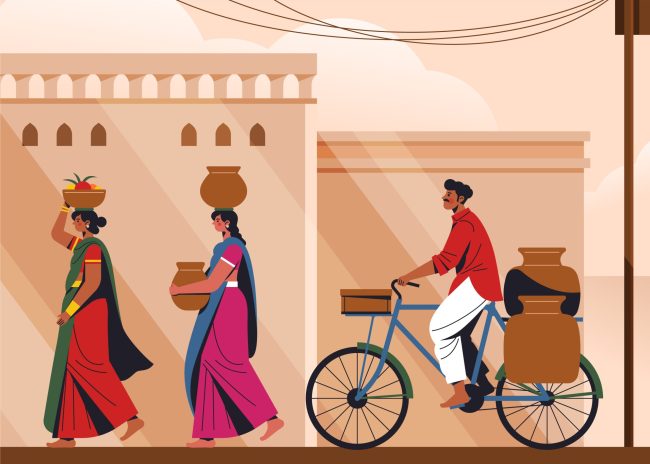
Dalits and Decentralization: Federalism’s Impact on the Caste System

Author: Shaoni Chakraborty – India’s governance system has traditionally been characterised by a specific form of federalism known as “centralised federalism.” In contrast to the classic conception of federal government, in which constituent units operate with significant autonomy with explicitly delineated independent spheres of authority, India’s system grants substantial powers to the Central government, allowing it to intervene in state affairs.

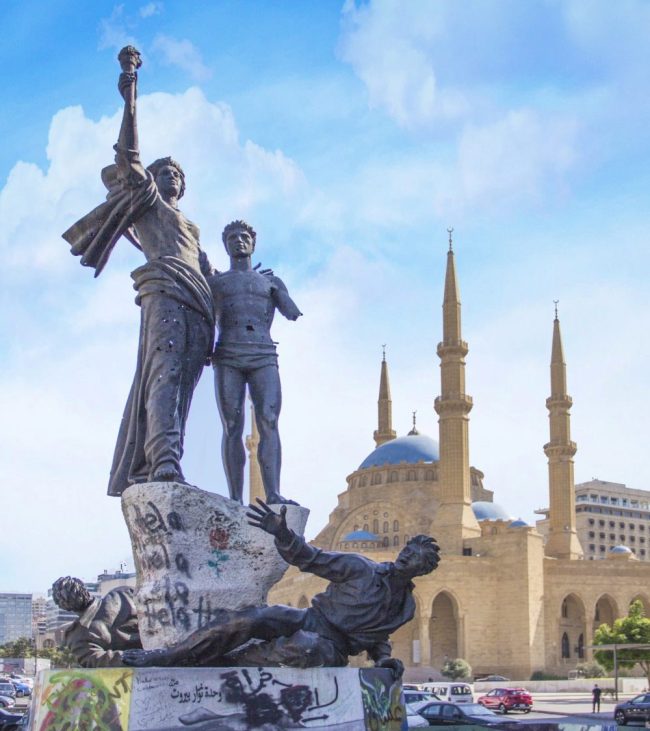
Federalism: Medicine for a Broken Lebanon?

Author: Anthony Bou-chrouche – For almost 50 years, Lebanon has been plagued with problems of civil unrest due to a lack of social cohesion that stems from religious differences among the groups that comprise its population. The country is home to 18 different religious communities, each of which possess constitutionally enshrined levels of representation in Parliament. In the legislature, generally seats are divided equally between Christian and Muslim communities (with some exceptions like that of the representation of the Druze community).

The Enemy of Good Governance – The Relationship Between Corruption and Federalism

Author: Kamila Kolodziejczyk – We live in a world in which acts of corruption and abuse of power by individuals who actively leverage positions of official authority and influence for personal benefit challenge the ability of governments to effectively meet the needs of people. Despite the near-universal condemnation of corruption by citizens, media, politicians and international organizations, abuses continue to plague governance systems worldwide.

Queerness, Gender Equality, and Federalism in Southeast Asia: Important Challenges and Progress Towards Inclusive Federalism

Author: Jerry Dave Ntwari – The marginalization of individuals based on gender identity is a pressing concern faced by minority populations all around the world. Analyzing the role played by federal governance in mitigating the inequalities which arise from this marginalization is an area that requires greater attention, especially with regard to the challenges faced by women and queer people in both federal and non-federal countries.  

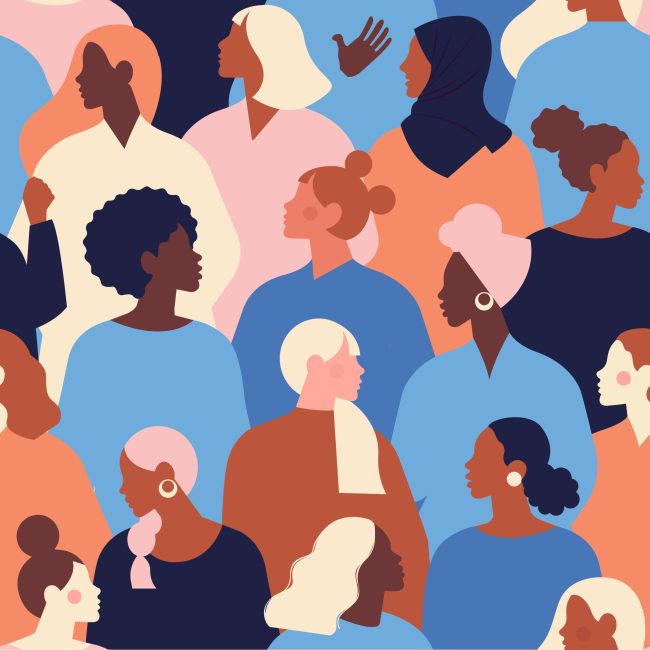
Has Decentralizing Governance in the MENA Region Increased Women’s Empowerment?

Author: Simone Clarke – Ensuring adequate representation for women in governance realms remains a global challenge. This challenge is especially prevalent in the MENA region, which since the early 2010s has been faced with both the beginning and aftermath of the Arab Spring protests. These protests originated in Tunisia and soon spread to other countries in the region as calls for more equal governance grew in size and scale. The desire for increased opportunities for political participation resulted in some countries, including Tunisia and Morocco, moving toward decentralization. Despite their geographic proximity, these two countries took different approaches to decentralization. The outcomes of these two approaches provides for a compelling comparative analysis.