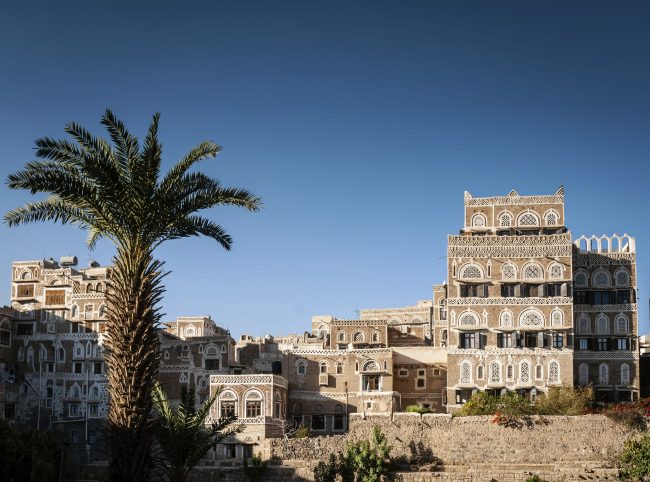
الفيدرالية في اليمن: من شعار سياسي إلى مدخل واقعي لبناء الدولة
Author: Muaamar Bawtil – لم يعد النقاش حول مستقبل الدولة في اليمن ترفاً فكرياً أو سجالاً نخبوياً معزولاً عن الواقع.

Author: Muaamar Bawtil – لم يعد النقاش حول مستقبل الدولة في اليمن ترفاً فكرياً أو سجالاً نخبوياً معزولاً عن الواقع.
Author: Muaamar Batawil – The debate over Yemen’s future state structure is no longer an intellectual luxury or an elite discussion detached from reality.

Author: Imad Naddaf – لقد أمضيتُ زمنا طويلا من حياتي درستُ فيه تاريخ سورية جيداً وخضتُ نقاشات واسعة حول ماضيها وحاضرها ومستقبلها الوطني، وعانيت من آرائي السياسية التي كنت أحملها وقضيت في سجني تدمر وصيدنايا قرابة عشر سنوات إبان الحكم الديكتاتوري السابق ..
Author: Imad Naddaf – I have spent a long period of my life studying Syria’s history in depth and engaging in extensive debates about its national past, present and future, and I have paid a heavy price for the political views I hold, spending nearly ten years in Tadmur and Saydnaya prisons under the former dictatorial rule. On that basis, I consider it a duty to set out my own view, while passing over the well-known historical facts related to the colonial targeting of the region and earlier partition plans, most notably the Sykes-Picot Agreement.

Author: Yasodhara Kapuge – When Sri Lanka was engulfed in one of the world’s longest civil wars (1983–2009), bombs and gunfire often drowned out everyday life. Yet, even as conflict tore communities apart, Sri Lanka quietly sustained one of the most successful childhood immunization programs in South Asia.
Author: Natalia Valero – Recent and past conflicts in Africa reflect the diverse and complex political, economic, cultural, and ethnic background of the continent. In countries such as South Africa, Ethiopia, and Nigeria, a federal system with multilevel governance has been presented as a model able to accommodate diversity. In a multilevel system, cooperation, partnership, and power distribution operate to varying degrees in order to deal with divisions along territorial, social, political, and cultural lines. In this way, federal governance systems may act as a peacebuilding tool.
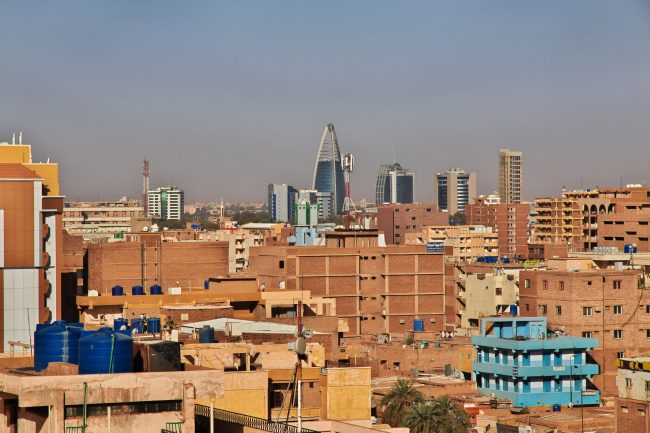
Author: Hayat Omar – Africa is a continent which has been plagued by internal conflict and violence. Violence has increasingly become the mechanism through which actors implement change, attempt to alter the harsh realities of their lives, and challenge and governments and power structures. Much of Africa continues to face income inequality, inadequate health resources, infrastructure, and employment opportunities. Moreover, these issues have persisted for decades, fomenting a context in which aggrieved peoples and communities conclude that violence (on a progressive spectrum from low-level crime, to violent protests, and eventually organized coup d’états) is the only means through which meaningful change can be achieved. Scholars and analysts define this as ‘revolutionary violence’. Many of the crimes and conflicts actioned by Africans are attributed to “…overlapping injustice that betrays the basic presuppositions of a democratic state” (Chandoke 2015). Violence in this case has been defined as; “…brutality of predators and of hapless victims, of savage violations of the body and damage to the mind…” (2015). In this context, the epitome of the expression of revolutionary violence against the state is the coup d’état.